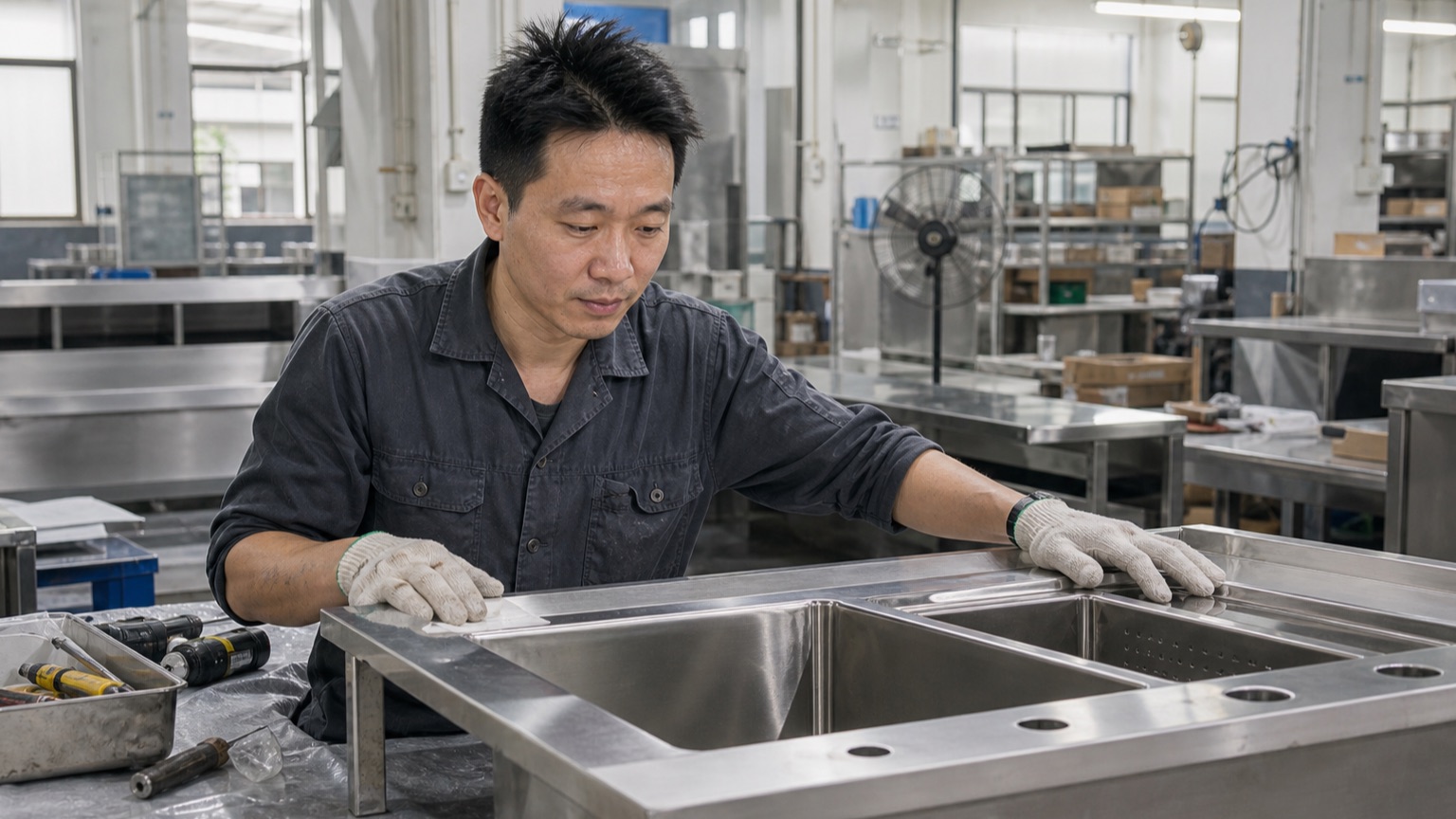
In an age of mass production, where kitchens and bathrooms are often outfitted with identical stainless-steel basins stamped out by the thousands, the handmade sink stands as a quiet rebellion. It is not merely a fixture; it is a statement of craft, a union of utility and artistry that transforms the most mundane of daily rituals—washing vegetables, rinsing paintbrushes, or bathing a newborn—into tactile, thoughtful experiences. To understand the handmade sink is to appreciate the patience of metalworkers, the geometry of water flow, and the enduring human desire to leave a mark on the objects we use every day.
The Material Soul: Copper, Steel, and Stone
The journey of a handmade sink begins with a sheet of raw material. Unlike factory models cut from coiled rolls, artisan sinks often start with virgin copper, 16-gauge stainless steel, or fireclay. Copper, with its warm, living patina, is the darling of the bespoke world. Over time, it oxidizes from a shiny penny-brightness to a deep, mottled brown or even verdigris green, aging like a fine leather. Artisans prize copper not just for its aesthetics but for its natural antimicrobial properties—a feature known since ancient times.
Stainless steel, when done by hand, sheds its cold industrial reputation. Top-tier craftspeople use 14- or 16-gauge steel (thicker than the standard 18- or 20-gauge found in big-box stores) and finish it with a brushed, satin, or mirror polish that catches light differently from every angle. For those seeking heft and silence, fireclay and cast iron remain timeless, though their handmade versions are rarer, requiring molds and kilns that blur the line between pottery and metallurgy.
The Choreography of Creation: From Flat Sheet to Three-Dimensional Basin
Watching a master sink-maker at work is akin to observing a sculptor. The process begins not with a blueprint, but with a conversation: Will this be an apron-front farmhouse sink? A sleek, zero-radius vessel? Or a deep, double-basin workhorse for a passionate cook? Dimensions are drafted, but the real magic starts when the metal hits the anvil.
For copper or steel, the primary technique is raising—a process where the sheet is repeatedly hammered over a stake or form. Unlike pressing, which stretches metal thin, raising compresses and thickens the corners, creating a seamless, monolithic bowl. Each strike of the planishing hammer leaves a subtle ripple, a fingerprint of the maker. It takes hundreds, sometimes thousands, of blows to form a single deep basin. The artisan must constantly anneal (heat and cool) the metal to prevent cracking, listening to the ring of the hammer to gauge the metal’s fatigue.
The corners are the true test of skill. In a mass-produced sink, tight radii are easy because the metal is forced into a die under immense pressure. By hand, a sharp internal corner invites tearing. The master knows exactly how much curve the material will tolerate, often designing gentle, sweeping radii that are not only structurally sound but easier to clean. After forming, the edges are meticulously folded, welded, and ground—not hidden, but celebrated with exposed rivets or dovetail joints that whisper of old-world craftsmanship.
The Myth of “Perfection”
One of the greatest philosophical divides between handmade and manufactured sinks lies in the definition of perfection. A factory sink is judged by its mirror-like consistency; every unit is identical to the last. A handmade sink, however, embraces wabi-sabi—the beauty of imperfection. You will see the gentle undulation where the hammer struck, a slight asymmetry in the bowl depth, or the organic flow of solder at the joints. These are not flaws; they are the narrative of making.
For buyers, this requires a shift in expectation. A custom copper sink may develop a waterline stain within the first week; a hand-hammered steel surface will show micro-scratches from the first use. Yet, these marks are precisely what give the sink character. They become a living diary of the household—the patina from hard water, the tiny dents from dropped pots, the burnish where hands rest most often.
Design Considerations for the Modern Home
Despite its artisanal soul, the handmade sink must function flawlessly in a contemporary setting. Craftspeople today are addressing modern acoustic demands by adding sound-deadening pads or cork underlayments to steel models. Drainage is another focal point: while factory sinks rely on pre-fabricated strainers, handcrafted versions often feature custom, laser-cut grates that sit flush with the basin floor, preventing food traps and making sweeping debris a one-motion affair.
The integration of accessories elevates the genre further. Think of removable butcher-block cutting boards that nest perfectly over the bowl, or custom colanders that slide into dedicated ledges. These are not afterthoughts; they are engineered into the metal during the forming stage, requiring the artisan to plan for tolerances of a millimeter or less.
The Cost of Time
Why does a handmade sink cost five to ten times more than a standard model? The answer is time. A factory press can stamp out a sink every 90 seconds. A single handmade copper farmhouse sink can take 40 to 60 labor-hours. Add the cost of virgin materials, the overhead of a small workshop, and the years of apprenticeship required to develop the necessary hammer control, and the price becomes justified. Buyers are not paying for a sink; they are paying for the hours of a skilled human life, crystallized into a functional object that may outlast the house itself.
Caring for Your Handcrafted Investment
Maintenance is intuitive but distinct. For copper, avoid acidic citrus cleaners and abrasive pads; instead, use a mild soap and a soft sponge, allowing the patina to develop naturally. For stainless, never use steel wool (which embeds particles that rust); opt for a non-abrasive powder and rub with the grain of the brushed finish. Fireclay and enameled cast iron demand gentle handling to prevent chipping, but their resilience against stains is legendary.
The Future of Handmade Sinks
As sustainability becomes paramount, the handmade sink industry is poised for a renaissance. These sinks are inherently repairable—a dent can be hammered out, a worn area re-polished, rather than sending the entire unit to a landfill. Some artisans are now recycling copper from old water heaters or steel from decommissioned ships, adding a layer of historical depth to their new creations.
In a world that increasingly values the unique over the ubiquitous, the handmade sink is more than a trend; it is a return to intentionality. It forces us to slow down, to notice the grain of the metal, to hear the soft thud of water against a surface that was shaped by human hands rather than anonymous machines. It reminds us that true luxury is not about gilded finishes, but about the quiet dignity of work done well. The next time you stand at your sink, washing your hands or preparing a meal, consider the vessel beneath your fingers. If it was made by hand, you are not just using a sink—you are holding a conversation with the maker, one that will echo through every drop of water that passes through it for decades to come.
No responses yet