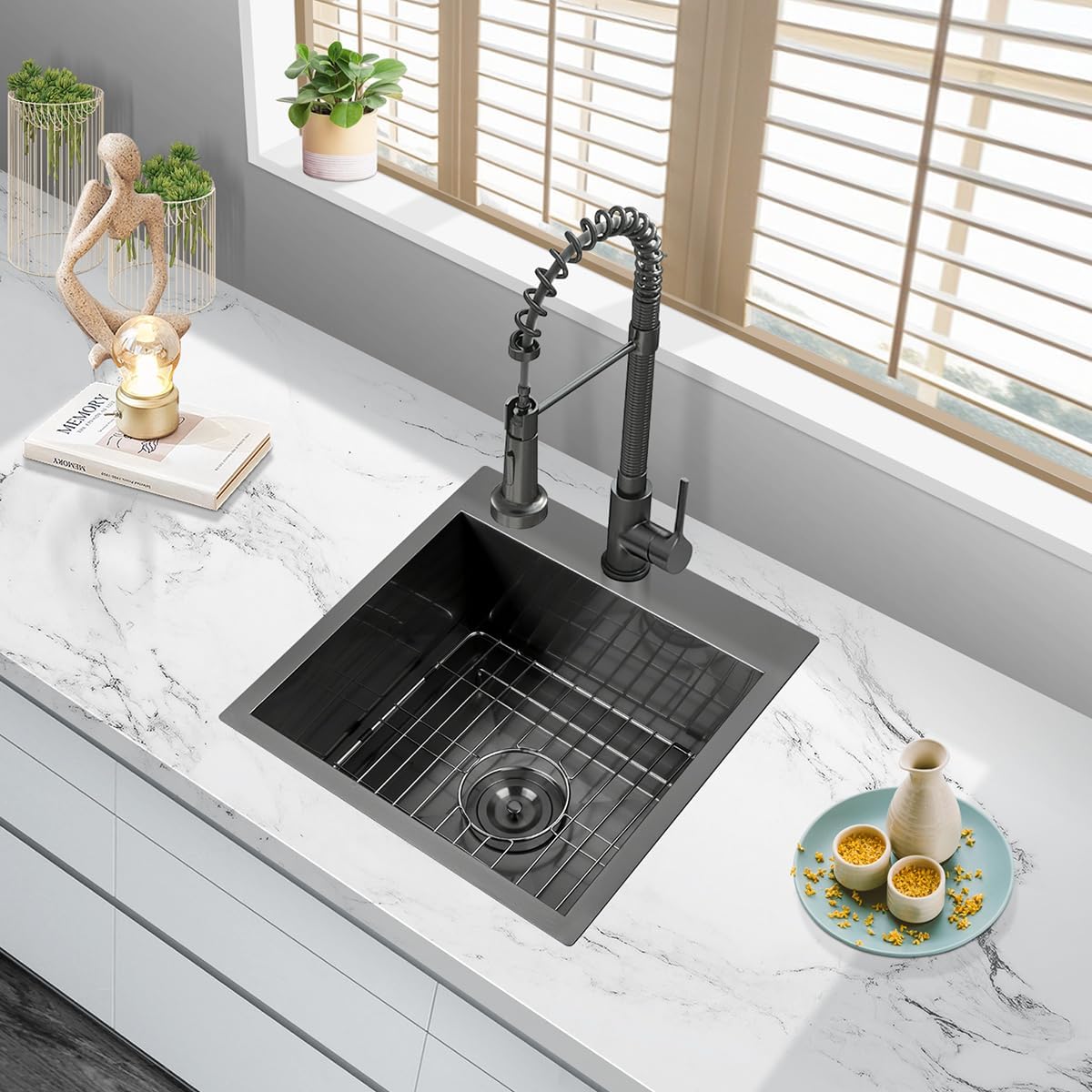
In the realm of interior design, few fixtures capture the imagination quite like the vessel sink. Unlike conventional sinks that recess into countertops or cabinets, the vessel sink sits proudly on the surface, rising above the counter like a sculptural object. It is a design that demands attention, celebrates form, and transforms the mundane act of washing into a visual and tactile experience.
The vessel sink is not for the faint of heart. It is a bold choice, one that signals a commitment to design excellence and a willingness to embrace the unconventional. Yet for those who choose it, the vessel sink offers an unparalleled opportunity to infuse personality and artistry into the heart of the home.
What Defines a Vessel Sink?
A vessel sink is defined by its above-counter installation. Rather than being mounted beneath or dropped into the countertop, a vessel sink sits on top of the surface, with its entire form exposed and visible. This creates a dramatic, sculptural effect that elevates the sink from a utilitarian fixture to a design centerpiece.
Vessel sinks are available in an extraordinary range of materials, shapes, and finishes:
Material Characteristics
Glass Transparent or frosted; catches and refracts light; modern and ethereal
Copper Warm, evolving patina; hand-hammered textures; artisanal appeal
Stone Natural beauty; unique veining and patterns; timeless elegance
Ceramic/Fireclay Classic, glossy finish; wide color range; durable and easy to clean
Stainless Steel Sleek, industrial; minimalist aesthetic; highly durable
Wood Warm, organic; handcrafted; requires regular sealing
Concrete Industrial, raw; custom-cast; modern and bold
Each material offers a distinct aesthetic and requires different care, making the vessel sink a deeply personal choice.
The Handcrafted Vessel Sink: Artistry in Every Curve
Truly exceptional vessel sinks are not mass-produced; they are crafted by skilled artisans who treat each piece as a work of art. The production process varies dramatically depending on the material, but in every case, it demands a level of skill and patience that cannot be replicated by automated processes.
Handmade Glass Vessel Sinks
Glass vessel sinks are created through a combination of blowing, slumping, and casting techniques. Artisans heat glass to extreme temperatures—often exceeding 1000°C—then shape it using traditional glassworking tools. The glass may be left clear to showcase the play of light, or infused with pigments to create vibrant colors.
Some glass vessel sinks feature intricate patterns, textures, or inclusions—such as crushed stone or metallic flecks—that are embedded during the glassmaking process. Each piece is unique, with subtle variations in color, thickness, and form.
Handcrafted Copper Vessel Sinks
Copper vessel sinks are formed through the ancient technique of raising. A flat sheet of copper is hammered over a stake or anvil, gradually shaped into a seamless, three-dimensional bowl. The process requires thousands of hammer blows and repeated annealing to prevent the metal from work-hardening and cracking.
The surface may be polished to a bright, mirror-like finish, or left with a hand-hammered texture that captures light in a thousand different ways. Some artisans apply a chemical patina to accelerate the aging process, producing rich browns, russets, and verdant greens.
Handcrafted Stone Vessel Sinks
Natural stone vessel sinks are carved from solid blocks of granite, marble, onyx, or travertine. Artisans use specialized tools to hollow out the interior while leaving the exterior in its natural, organic state. The sink is then polished to a smooth finish, revealing the stone’s unique veining and mineral patterns.
Because natural stone varies from block to block, each vessel sink is one-of-a-kind—a piece of the earth transformed into a functional object of beauty.
Handcrafted Ceramic and Fireclay Vessel Sinks
Ceramic and fireclay vessel sinks are created through slip casting, a process that involves pouring liquid clay into a plaster mold. The porous plaster absorbs moisture, building up a layer of clay against the mold’s walls. After the excess slip is drained, the clay shell is left to dry, then removed from the mold and hand-finished.
The sink undergoes a biscuit firing at approximately 1000°C, followed by glazing and a second firing at 1180°C to 1200°C. The result is a dense, non-porous, glass-hard surface that is exceptionally durable and resistant to stains.
The Design Impact of a Vessel Sink
The vessel sink’s above-counter installation creates a dramatic visual effect that fundamentally changes the character of a kitchen or bathroom. It becomes a focal point, drawing the eye and inviting touch.
In the Kitchen
In a kitchen setting, a vessel sink is often used as a secondary or prep sink—installed on a kitchen island or a butler’s pantry counter. Its elevated position makes it ideal for tasks that require close attention, such as washing delicate produce or preparing ingredients. It also serves as a stunning visual accent, adding warmth, texture, or color to the space.
In the Bathroom
The vessel sink has become particularly popular in bathrooms, where its sculptural form can be fully appreciated. A glass vessel sink, illuminated by pendant lighting, creates a luminous centerpiece that transforms a functional space into a spa-like retreat. A stone or concrete vessel sink adds organic texture and a sense of groundedness.
Considerations Before Purchasing
The vessel sink offers numerous advantages, but it also comes with certain considerations that buyers should be aware of:
Height and Ergonomics
Because the vessel sink sits above the countertop, it raises the overall height of the basin. This can be an ergonomic advantage or challenge, depending on the user’s height and the installation height. For bathrooms, the countertop may need to be lowered to ensure comfortable use. For kitchens, the installation height should be carefully considered based on the primary user.
Splash and Spill
The above-counter design can result in more splashing and spillage, particularly if the sink is shallow. Choosing a vessel sink with adequate depth and a design that minimizes splashing is essential. Additionally, the rim of the vessel sink can trap water and debris, requiring careful cleaning.
Faucet Compatibility
The vessel sink requires a taller, vessel-specific faucet that arches high enough to reach the elevated basin. Wall-mounted or high-arc countertop faucets are commonly paired with vessel sinks. The faucet’s spout must extend sufficiently over the sink to prevent water from splashing onto the counter.
Installation
Installing a vessel sink requires precision. The drain assembly must be carefully aligned, and the sink must be securely sealed to the countertop using high-quality silicone. Unlike undermount sinks, vessel sinks are visible from all angles, so the installation must be flawless.
Weight and Support
Stone, concrete, and fireclay vessel sinks can be exceptionally heavy, weighing 20 kilograms (44 pounds) or more. The countertop must be able to support this weight, and additional structural reinforcement may be required.
Maintenance and Care
The care of a vessel sink depends on its material:
Glass: Clean with a mild glass cleaner and a soft cloth. Avoid abrasive sponges, which can scratch the surface. Hard water stains can be removed with a vinegar solution.
Copper: Wash with mild soap and a soft sponge. Allow the patina to develop naturally, or polish regularly if a bright finish is preferred. Avoid acidic cleaners.
Stone: Clean with a pH-neutral stone cleaner. Avoid acidic or abrasive cleaners that can etch or dull the surface. Seal natural stone periodically to prevent staining.
Ceramic/Fireclay: Clean with mild detergent and a soft sponge. Avoid abrasive cleaners and steel wool. Rinse thoroughly and dry to prevent water spots.
Stainless Steel: Wash with warm water, mild dish soap, and a soft sponge. Rinse and dry to prevent water spots. Use specialized stainless steel cleaner to restore shine.
Procurement and Pricing
Vessel sinks are available across a wide price spectrum, reflecting the range of materials, craftsmanship, and design complexity:
Material Price Range (Approx.) Lead Time
Glass (Mass-Produced) $100 – $300 Immediate – 1 week
Glass (Handmade) $400 – $1,200+ 2 – 4 weeks
Ceramic/Fireclay (Mass-Produced) $150 – $400 Immediate – 2 weeks
Ceramic/Fireclay (Handmade) $500 – $1,500+ 4 – 6 weeks
Stainless Steel $200 – $500 2 – 4 weeks
Copper (Handmade) $600 – $2,000+ 4 – 8 weeks
Stone (Carved) $500 – $3,000+ 4 – 8 weeks
Concrete (Custom) $800 – $2,500+ 4 – 6 weeks
The Vessel Sink in Context
The vessel sink represents a fundamental shift in how we think about sinks. It is not merely a functional basin but a design statement—an expression of personal style and a celebration of form. In an era where homeowners increasingly seek to create spaces that are both beautiful and personal, the vessel sink offers an irresistible proposition: the opportunity to bring sculpture into the everyday.
For the homeowner willing to embrace its unique demands, the vessel sink offers rewards that far outweigh its challenges. It transforms the daily ritual of washing into a moment of appreciation, turning a utilitarian act into an aesthetic experience.
Conclusion
The vessel sink is a testament to the power of design to elevate the ordinary into the extraordinary. It refuses to hide, refuses to conform, and refuses to be merely functional. Instead, it demands to be seen, touched, and appreciated—a sculptural object that lives at the intersection of art and utility.
Whether crafted from luminous glass, warm copper, natural stone, or classic fireclay, the vessel sink carries with it the mark of its maker and the vision of its owner. It is a declaration of individuality, a celebration of craftsmanship, and a daily reminder that even the most functional spaces in our homes can be transformed into works of art. In a world of flat-pack uniformity, the vessel sink stands as a bold and beautiful rebellion.
No responses yet