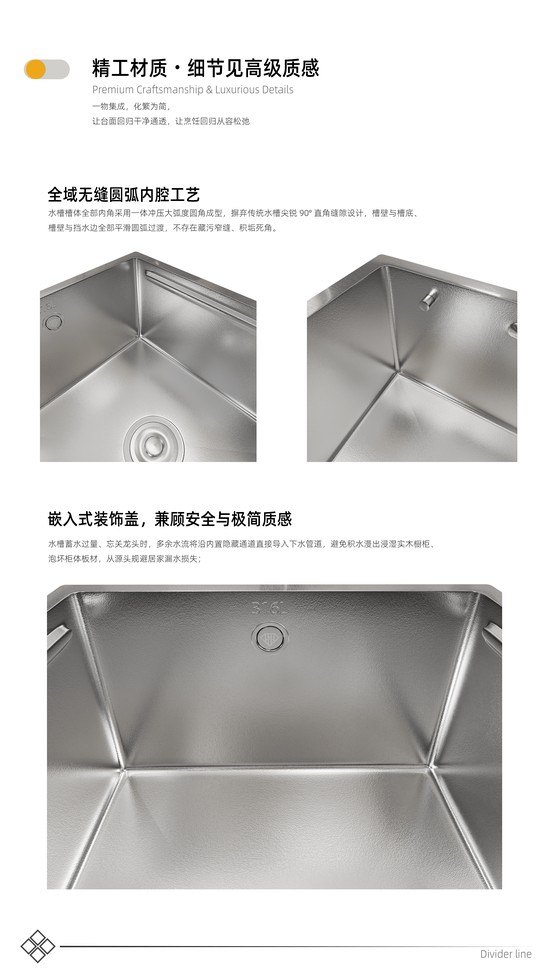
Many buyers ask whether a 316L stainless steel sink is better than a 304 stainless steel sink. The practical answer is: it depends on the application, environment and target price. Both materials can be used for stainless steel sinks, but 316L is often considered for more demanding environments because of its improved corrosion resistance compared with common 304 stainless steel.
For a compact bar sink, RV sink, outdoor preparation area or humid beverage zone, material selection becomes part of the product positioning. A buyer should not choose material only by name; the full specification should also include thickness, finish, welding, drainage, accessories, packaging and quality control.
What is the practical difference?
304 stainless steel is widely used in kitchen sink production because it balances corrosion resistance, workability and cost. 316L stainless steel contains molybdenum and is commonly selected for environments where additional corrosion resistance is desired, especially when moisture, outdoor exposure or more aggressive conditions are expected.
That does not mean a sink should be advertised with absolute claims. No stainless steel should be promoted as impossible to stain or impossible to rust. Real use conditions, cleaning habits, water chemistry and surface protection still matter.
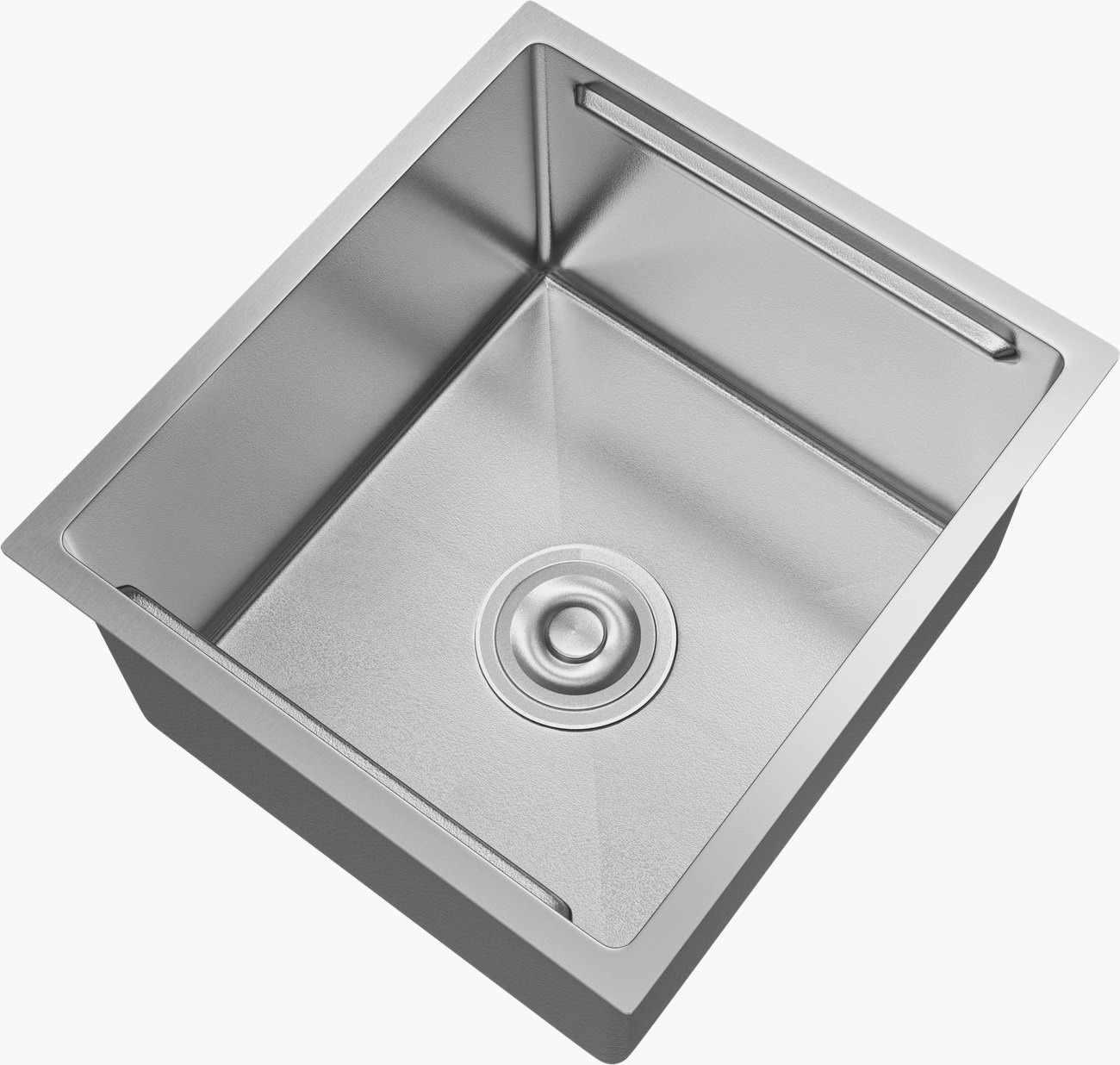
When 316L makes more sense
- RV and camper van kitchens: compact spaces can face vibration, moisture and inconsistent cleaning conditions.
- Outdoor bar or BBQ areas: outdoor exposure makes material choice more important.
- Coffee bars and beverage zones: frequent water, cups and cleaning cycles increase the need for stable performance.
- Premium product lines: 316L can support a higher-positioned specification when the buyer can explain the value clearly.
What else should be checked?
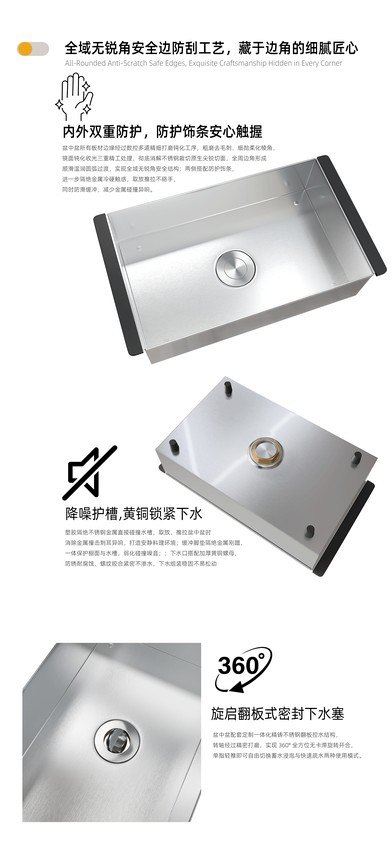
Material is only one part of sink quality. Buyers should also confirm bowl structure, welding quality, surface treatment, drain position, installation method, accessory fit and export packaging. For OEM/ODM projects, ask for sample approval before mass production.
How to write a reliable product claim
A safer way to describe the product is: “316L stainless steel construction for applications that require stronger corrosion resistance than common 304 sink programs.” Avoid unsupported absolute language such as “never rusts” or “medical grade” unless you have the correct test documents and legal review.
FAQ
Is 316L always better than 304?
316L can be a higher-spec material for certain environments, but 304 may still be suitable for many indoor kitchen programs. The right choice depends on use case and price position.
Can 316L be used for RV sinks?
Yes, 316L is a strong option for RV or mobile kitchen projects when the overall design also considers size, drainage, noise and accessory stability.
What should I send for a quotation?
Send target size, installation method, quantity, destination market, finish preference, accessory requirements and any reference drawings or photos.
Need a compact 316L workstation sink for your product line?
Send AOSINK your target size, installation method, quantity, destination market and accessory requirements. We can help turn the idea into a practical wholesale or OEM/ODM specification.
For distributor and private-label projects, it is also useful to include the expected sales channel, carton preference, logo plan, replacement accessory needs and any compliance documents your market usually asks for. Clear requirements help avoid vague quotations and make sample approval faster.
No responses yet