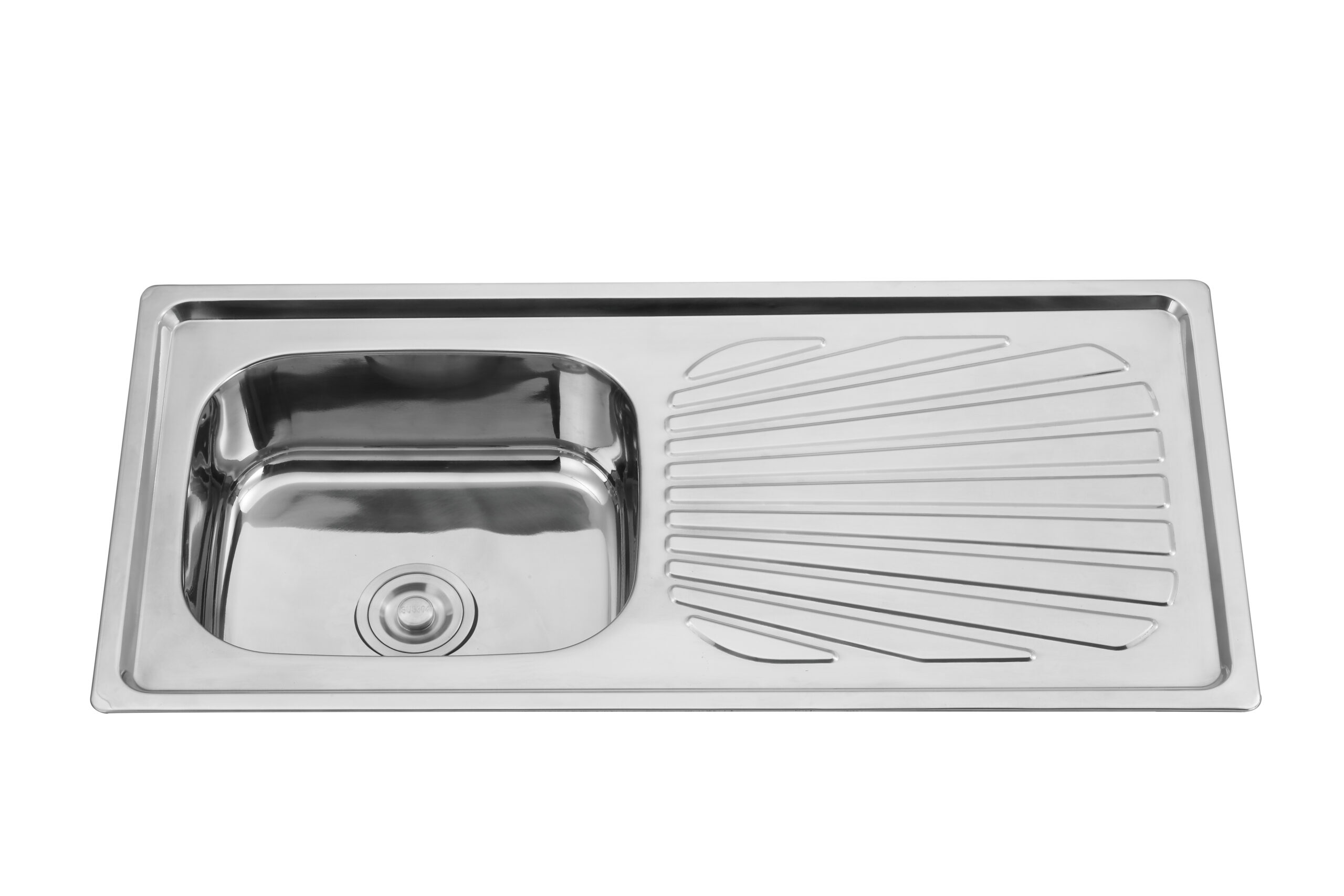
In the world of kitchen design, few materials carry the weight of tradition quite like fireclay. For centuries, this remarkable ceramic material has been the cornerstone of the finest farmhouse and apron-front sinks, prized for its lustrous finish, exceptional durability, and unmistakable warmth. A fireclay sink is more than a basin—it is a piece of living history, a connection to the artisans who have perfected this craft over generations, and a testament to the enduring appeal of natural materials in an increasingly synthetic world.
What Is Fireclay?
Fireclay is a ceramic material made by combining clay, feldspar, and quartz with water to form a malleable paste. This mixture is then shaped, dried, and fired in a kiln at temperatures exceeding 1200°C (2200°F). At these extreme temperatures, the material undergoes vitrification—a process in which the clay particles fuse together, creating a dense, non-porous, and glass-like surface that is remarkably resistant to stains, scratches, and thermal shock.
The term “fireclay” specifically refers to the refractory nature of the material—it is designed to withstand intense heat without cracking or deforming. This property has made fireclay the material of choice for industrial kilns, furnaces, and, of course, the finest kitchen sinks.
A Rich Heritage
The tradition of crafting fireclay sinks traces its roots to the pottery-making regions of England and Europe, where artisans have been shaping clay into functional objects for centuries. Iconic manufacturers such as Shaws of Darwen and other British heritage brands have carried this tradition forward, perfecting techniques that have remained largely unchanged for generations.
Each fireclay sink is a product of this rich heritage. The process is slow, deliberate, and deeply human—a stark contrast to the rapid, automated production of modern kitchen fixtures. This connection to the past gives fireclay sinks a soulfulness that synthetic materials simply cannot replicate.
The Handcrafted Production Process
The creation of a fireclay sink is one of the most labor-intensive processes in the world of kitchen fixtures. The journey from raw clay to finished sink spans several weeks and involves numerous stages, each demanding the skill of experienced artisans.
1. Mold Preparation
The process begins with the creation of a plaster mold. This mold is the negative shape of the sink, meticulously carved and finished by hand to ensure every curve and dimension is precise. The quality of the mold directly influences the final sink’s appearance and structural integrity.
2. Slip Casting
The fireclay mixture, known as slip, is a liquid suspension of clay and water. This slip is poured into the plaster mold. The porous plaster absorbs water from the slip, causing a layer of clay to build up against the mold’s walls. After the desired thickness is achieved—typically 20mm to 30mm—the excess slip is poured out, leaving a hollow clay shell.
3. Drying
The clay shell, now in the shape of the sink, is left to dry in a carefully controlled environment. This drying process can take up to 60 hours, during which the clay gradually loses its moisture and begins to harden. The temperature and humidity must be precisely maintained to prevent cracking or warping. Once dry, the sink is removed from the mold and carefully inspected for defects.
4. Hand-Finishing
At this stage, skilled artisans manually smooth the surface, removing any imperfections and refining the sink’s contours. The corners are shaped, the edges are rounded, and the surface is prepared for glazing. This hand-finishing is what distinguishes premium fireclay sinks from mass-produced alternatives.
5. First Firing (Biscuit Firing)
The dried and finished clay sink undergoes its first firing in a kiln, reaching temperatures of approximately 1000°C. This initial firing, known as the biscuit firing, transforms the porous clay into a durable, ceramic “biscuit.” At this stage, the sink is still unglazed and retains a matte, earthy appearance.
6. Glazing
After cooling, the biscuit is carefully coated with a liquid glaze—a suspension of glass-forming materials in water. This glaze is applied by hand, often using a spray gun or dipping technique, ensuring even coverage across the entire surface. The glaze is what will give the fireclay sink its iconic glossy, smooth finish.
7. Second Firing (Glost Firing)
The glazed sink is returned to the kiln for its final firing, reaching temperatures between 1180°C and 1200°C. During this glost firing, the glaze melts and fuses to the clay body, creating a non-porous, glass-hard surface that is both beautiful and exceptionally durable.
8. Final Inspection
After cooling, each sink undergoes a meticulous inspection. The surface is checked for pinholes, cracks, or any imperfections in the glaze. The dimensions are verified against the original template. Only after passing this rigorous examination does the sink receive its final approval.
The Exceptional Qualities of Fireclay
What makes fireclay sinks so enduringly popular? The answer lies in a unique combination of properties that few other materials can match.
1. Unmatched Durability
The vitrification process renders fireclay sinks exceptionally hard and resistant to chipping, scratching, and cracking. When properly cared for, a fireclay sink can last for decades—indeed, centuries—without showing significant signs of wear.
2. Non-Porous Surface
Unlike natural stone, fireclay is non-porous. This means that liquids, oils, and food acids cannot penetrate the surface. Stains from coffee, wine, tomato sauce, and fruit juices simply wipe away without leaving a trace.
3. Hygienic
The smooth, non-porous surface of a fireclay sink does not harbor bacteria, mold, or mildew. This makes it an exceptionally hygienic choice for food preparation areas.
4. Heat Resistance
Fireclay sinks can withstand extreme temperatures without cracking, warping, or discoloring. Boiling water can be poured directly into the sink, and hot pans can be placed in the basin without concern.
5. Visual Warmth
The glossy, glass-like finish of a fireclay sink offers a warmth and depth that is difficult to achieve with metal or composite materials. The subtle variations in the glaze catch light beautifully, adding a layer of richness to the kitchen.
Design Configurations
Fireclay sinks are available in a variety of configurations, each with its own distinct character:
Configuration Description Ideal For
Farmhouse/Apron-Front Exposed front panel with a deep, single bowl Traditional and modern farmhouse kitchens
Undermount Installed beneath the countertop Seamless, contemporary aesthetics
Top-Mount/Drop-In Rim rests on the countertop Traditional kitchens; retrofits
Double Bowl Two equal or unequal basins Multitasking; high-volume use
Single Bowl One large, deep basin Large cookware; minimalist kitchens
Color Options
While classic white remains the most popular choice, fireclay sinks are now available in an expanding palette of colors, including:
Classic White
Cream
Biscuit
Grey
Charcoal
Black
Custom colors (available from select manufacturers)
The color is integrated throughout the glaze, ensuring that even if the surface is scratched—an unlikely event given its hardness—the color remains consistent.
Considerations Before Purchasing
Fireclay sinks offer numerous advantages, but they also come with certain considerations that buyers should be aware of:
1. Weight
Fireclay sinks are heavy. A typical single-bowl apron-front sink can weigh between 50 and 80 kilograms (110 to 175 pounds) or more. This requires reinforced cabinetry and, in some cases, additional structural support during installation.
2. Cost
Premium fireclay sinks are among the more expensive options on the market, reflecting the intensive handcrafted production process and the premium materials involved.
3. Chipping Risk
While fireclay is exceptionally hard, it can chip if struck with sufficient force—particularly at the edges. Care should be taken when handling heavy cast iron cookware.
4. Installation Complexity
Due to their weight and size, fireclay sinks require professional installation. The cabinetry must be prepared in advance, and the countertop must be precisely cut to accommodate the sink.
5. Production Lead Time
Given the drying, firing, and hand-finishing stages, handmade fireclay sinks typically require 4 to 6 weeks of production time after order confirmation.
Maintenance and Care
One of the great advantages of a fireclay sink is its ease of maintenance:
Daily Cleaning: Wipe with a soft cloth or sponge using warm water and mild dish soap. Rinse thoroughly.
Removing Stubborn Stains: A paste of baking soda and water can be applied to stubborn stains. Avoid abrasive cleaners and scouring pads, which can dull the glaze.
Avoid Heavy Impact: While the sink is durable, sharp impacts with heavy objects can cause chipping. Use a protective grid if frequently washing heavy cookware.
Prevent Hard Water Spots: In areas with hard water, drying the sink after each use can prevent mineral deposits from building up.
The Fireclay Sink in Modern Kitchens
Despite its centuries-old heritage, the fireclay sink remains remarkably relevant in contemporary kitchen design. Its clean lines, glossy finish, and timeless appeal complement a wide range of styles—from rustic farmhouse and traditional country to sleek modern and minimalist.
For many designers and homeowners, the fireclay sink represents an ideal: it is a piece that bridges the past and present, offering both the warmth of tradition and the performance required by modern living. It is not merely a fixture but a focal point—an anchor that grounds the kitchen in authenticity and quality.
Fireclay vs. Other Materials
Feature Fireclay Stainless Steel Composite Granite Copper
Durability Excellent Good Excellent Good
Scratch Resistance Excellent Moderate Excellent Moderate
Stain Resistance Excellent Good Excellent Good
Heat Resistance Excellent Excellent Excellent Good
Ease of Maintenance Excellent Good Excellent Moderate
Weight Very Heavy Light Heavy Moderate
Cost Premium Low-Moderate Moderate Premium
Aesthetic Warm, Classic Industrial, Clean Natural, Modern Warm, Evolving
Conclusion
In a world of fleeting trends and disposable goods, the fireclay sink stands as a monument to enduring quality. It is a product of patient craft, of artisans who understand that true beauty cannot be rushed. Each sink carries within it the hours of shaping, drying, glazing, and firing—the accumulated wisdom of generations of potters who have refined their art over centuries.
To choose a fireclay sink is to make a statement about values: a commitment to quality over convenience, to tradition over novelty, and to the belief that the objects we bring into our homes should be worthy of the lives we live around them. It is an investment not just in a kitchen fixture, but in a legacy—one that will continue to serve, inspire, and delight for generations to come.
No responses yet